Tights are defined first and foremost by their denier, the unit used to measure the linear density of the yarn. The higher the denier, the thicker the yarn and the more opaque the tights. This technical factor affects their appearance, warmth and, to some extent, durability. Choosing quality tights means weighing up several interacting technical criteria: denier, fabric composition, seam finish and fit.
Denier, fabric and opacity: the three technical factors that define a pair of tights
Denier is often the first figure shown on the packaging, but it doesn’t tell the whole story. Low-denier tights (under 20) create a sheer look, making them suitable for dressy outfits or warmer weather. A denier between 40 and 60 offers versatile semi-opaque coverage. Above 80 denier, tights become fully opaque and provide noticeable insulation in winter.
The yarn’s material matters just as much as its thickness. Polyamide dominates the market thanks to its abrasion resistance and elasticity. Elastane (or Lycra, a brand name for elastane) provides support and helps the fabric return to its original shape after stretching. Some styles include cotton or merino wool in the blend for added softness or warmth, though this can sometimes reduce elasticity.
Opacity therefore depends on the combination of denier and material. 50-denier microfibre tights will look more opaque than 50-denier tights made from standard yarn, because microfibre diffuses light differently. Checking the full composition, not just the denier, helps avoid surprises the first time you wear them.
Several reviews of Vog Store highlight the range of deniers offered by this family-run brand from the Cévennes, founded in 1949 in Sumène, with options ranging from fine sheers to thick opaques.
Tights durability: why denier alone isn’t enough
Tights that ladder the first time you wear them are poor value for money and contribute to textile waste. Durability depends on factors that denier alone cannot measure.
- The knitting technique (single knit, double knit or jersey) affects how well the fabric withstands snags. Run-resistant knit helps stop a pulled thread from spreading, but it doesn’t make tights indestructible.
- The polyamide-to-elastane ratio affects how well tights withstand repeated tension, particularly around the knees and toes.
- Finishing details (reinforced toe, built-in brief and flat waistband) add reinforcement to the areas most exposed to friction.
To compare two pairs of tights reliably, their durability would need to be assessed under identical conditions, for example after a set number of wash cycles or using a standardised abrasion test. Manufacturers rarely publish this data, making customer feedback all the more useful.
Choosing the right tights size: comfort and lifespan
Tights that are too small are under constant tension, which weakens the fibres and makes snags more likely. Tights that are too large wrinkle, slip and lose their shaping effect. The right size extends the product’s lifespan as well as improving comfort.
Size guides vary from one brand to another. Most use a combination of height and weight, while some also take inside-leg length or hip measurement into account. Taking your actual measurements rather than relying on your usual clothing size is the safest approach.
Customer reviews of Vog Store mention that the sizing is generally true to the stated measurements, with a range that includes plus sizes. The brand offers tights, knee-highs and socks in a wider range of sizes than the market average, making it easier to find a good fit for body types often overlooked by mainstream manufacturers.

Opaque, patterned or sheer tights: which type is right for each occasion?
The right type of tights depends more on how you plan to wear them than on any hierarchy of quality.
Opaque tights (60 denier and above) are ideal for colder weather and outfits where you want your legs covered without any sheerness. Their thicker fabric also makes them more resistant to everyday snags.
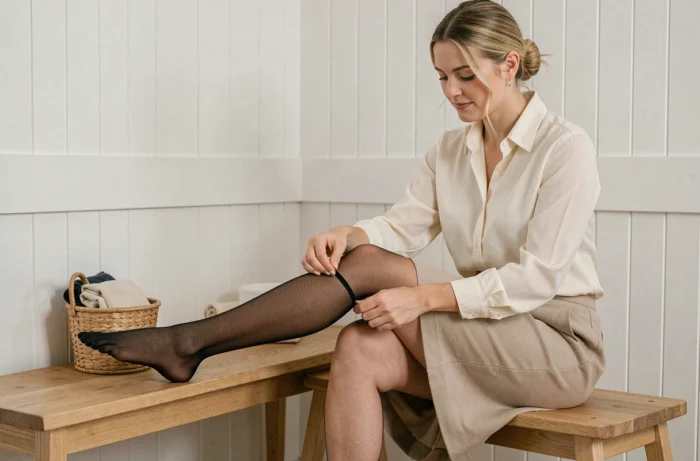
Sheer tights (under 20 denier) need to be handled with care. Putting them on with filed nails and working from the feet up reduces the risk of a ladder. Yarn quality makes the biggest difference with these styles: cheap sheers will almost always ladder, while well-made microfibre sheers can last for several wears.
Patterned tights (with prints, fishnet or textured finishes) add visual interest. Patterns knitted into the fabric last longer than printed designs, which can fade in the wash. Vog Store offers a range of patterned tights, from classic to more graphic designs, including plus sizes.
Caring for tights: steps to extend their lifespan
Machine washing at too high a temperature can destroy elastane in just a few cycles. A delicate, low-temperature cycle in a mesh laundry bag is the gentlest option. Avoid tumble-drying: direct heat stiffens the fibres and speeds up the loss of elasticity.
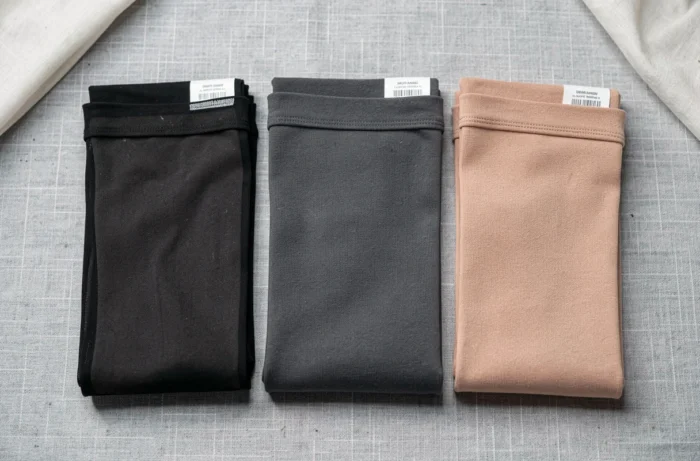
Leave tights to dry flat, away from heat, to help them keep their shape. Store them folded rather than scrunched into a ball to avoid permanent creases that weaken the fabric at the fold lines.
Properly cared-for, higher-quality tights will last considerably longer than a budget pair treated without care. The initial investment pays off over the number of times you actually wear them, not the price tag on the shelf.