
Digital platforms are experiencing a continuous increase in monthly subscriptions, even as 42% of internet users claim to prefer paying only for what they consume. The gap between the growth of unlimited offers and the persistence of pay-per-use reflects an unstable balance.
In this context, each model imposes its own economic constraints and shapes the relationship between publishers and users differently. Consumer choices, often dictated by flexibility or saturation of offers, disrupt traditional strategies in the sector.
Related reading : Discover how to boost your online presence with innovative digital services
Subscription, pay-per-use, or free access: what are the actual practices of readers regarding digital content?
Today, three modes of digital consumption share the spotlight: subscription, pay-per-use, and free access. In France, over 20 million people regularly use at least one form of digital subscription, in areas ranging from online news to video streaming, as well as music, video games, software, and wellness and mobility boxes. Each sector shapes its pricing to meet a fragmented and shifting demand.
The rise of subscription offers aims at two objectives: to retain users and to ensure financial stability for the services involved. However, fatigue is setting in. According to the Observatory of the Digital Economy, more than a third of subscribers are considering reducing the number of their subscriptions, motivated by the need to keep control of their budget or by a desire to return to a lighter digital consumption. At the same time, pay-per-use is gaining ground, particularly in the press: nearly one in two readers claims to prefer this model to manage their monthly expenses.
Recommended read : Online Banking: How Digital Tools Simplify Budget Management
Another phenomenon is the rise of platforms that allow sharing subscriptions with others, reflecting a desire to limit the multiplication of bills and to respond to growing saturation. Social networks, for their part, are becoming gateways to free or ad-funded content, changing discovery and consumption habits.
With the rise of Paystreaming, the question arises: does the single model still have a future? Between unlimited access, pay-per-use, and the search for moderation, everyone is finding their balance, attentive to ecological footprints and personal data management. This pendulum movement is gradually reshaping the contours of cultural consumption and online entertainment.
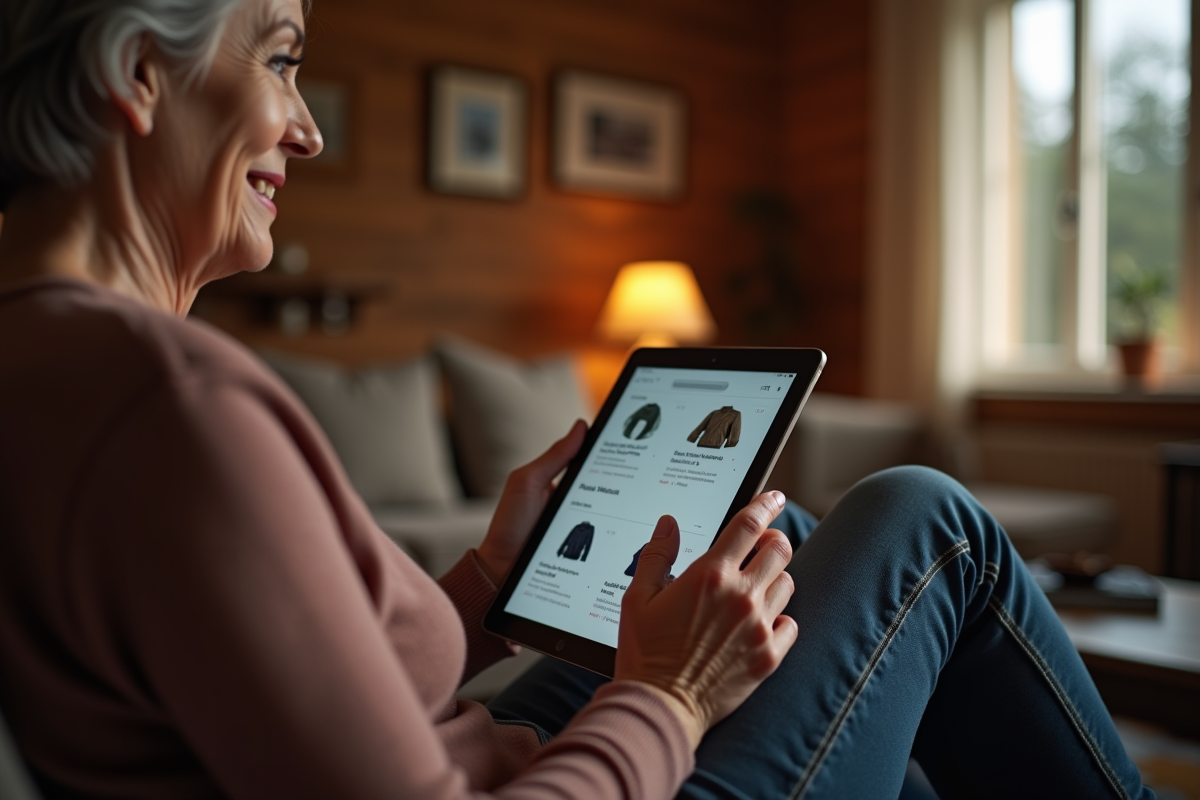
Understanding user choices and imagining offers better suited to new uses
To grasp the drivers of these choices, one must closely examine how today’s digital consumption is constructed. Between fatigue from multiple subscriptions and a desire for simplicity, users oscillate, seeking the formula that best fits their lifestyle. A Pew Research study, relayed by experts in media sociology, highlights two major criteria: overall cost management and ease of use.
Platforms are thus pushed to rethink their approach: simplify account management, offer more personalization, and ensure total transparency regarding data protection. Online reviews have become a decisive factor, capable of influencing the perception of the value of a subscription or a one-time purchase, and ultimately, of strengthening loyalty.
Here are the expectations that come up most often among surveyed users:
- Flexibility of access
- Control over expenses
- Respect for privacy
- Management of environmental footprint
The digital ecosystem is evolving and increasingly offering hybrid formulas, combining unlimited access and pay-per-use options. Behind this evolution lies a challenge: to meet the diversity of needs while limiting energy consumption and integrating concerns related to sustainable development. Users, now attentive to the ecological impacts of their digital usage, scrutinize the relevance of each offer. From choosing a service to managing emissions, every detail matters in constructing this new map of digital consumption.
Tomorrow, the boundary between subscription, pay-per-use, and free access will be merely a matter of a slider: that of the freedom to choose, without being subjected, in a constantly transforming digital universe.