Glyphosate and triclopyr do not share the same target or reputation. The former continues to be a topic of public debate, surrounded by controversies and expert opinions, while the latter, more discreet, also raises its share of questions. Both disrupt agricultural habits and divide opinions on their place in our countryside.
Comparing these two herbicides means entering a maze of regulations, divergent agricultural practices, and sometimes conflicting recommendations. Their modes of action differ, uses vary, and preferences change depending on the region. In this context, it is difficult to make a clear-cut decision.
Glyphosate and triclopyr: two herbicides, distinct uses
At the heart of weed management strategies, two molecules dominate the scene: glyphosate and triclopyr. Glyphosate stands out as the broad-spectrum herbicide, uncompromising. It acts on the entire plant, including the roots, and spares neither grasses nor dicotyledons. This systemic herbicide naturally finds its place in eliminating all vegetation on a fallow plot, along roadsides, or before sowing. Its effectiveness leaves no chance for surrounding plants.
In contrast, triclopyr is distinguished by its precision. Its area of action? Brambles, unwanted shrubs, broadleaf plants. It targets without destroying the entire plant cover, preserving most grasses. Its selectivity makes it an asset for those wishing to maintain meadows, parks, or gardens without annihilating everything.
The choice between glyphosate or triclopyr thus relies on the nature of the plants to be eliminated and the objective pursued. Need a radical cleanup of a plot? Glyphosate is the answer. To target specific vegetation, such as woody plants, triclopyr stands out. The differences in mode of action, selectivity, and persistence in the soil are decisive for making an appropriate choice, taking into account both agronomic imperatives and environmental impact.
What are the advantages, limitations, and environmental impacts of each solution?
Chemical herbicides are distinguished by their speed of action and effectiveness. Glyphosate, as a non-selective systemic herbicide, guarantees total destruction of the treated vegetation. Applied to the leaves, it penetrates the plant and acts down to the roots, offering a radical solution against all present species, without nuance. However, this lack of selectivity means that nothing is spared, including plants that should remain in place.
Triclopyr, on the other hand, primarily targets woody species and broadleaf plants, leaving most grasses intact. This is an advantage for preserving a lawn or certain crops, but it also limits its effectiveness against other weeds.
The impact of these herbicides goes beyond their effectiveness. The consequences on biodiversity are real: depletion of microfauna, risks of groundwater contamination, disruption of non-target species. In light of these issues, alternatives are being developed. Products based on pelargonic, acetic, capric, or caprylic acid are appealing in organic farming. However, their action remains superficial, less profound than that of synthetic molecules. Biocontrol solutions, which are more respectful of natural balance, require careful management of unwanted plants and regular monitoring.
Making an informed choice and using these products safely: our recommendations
Before making any decision, it is essential to accurately identify the plants to be eliminated. To guide you, here are the criteria to consider based on the nature of the weed:
- Glyphosate is suitable if the goal is to eradicate all vegetation, whether grasses or dicotyledons. It is primarily used on areas to be completely cleared or on fallow land.
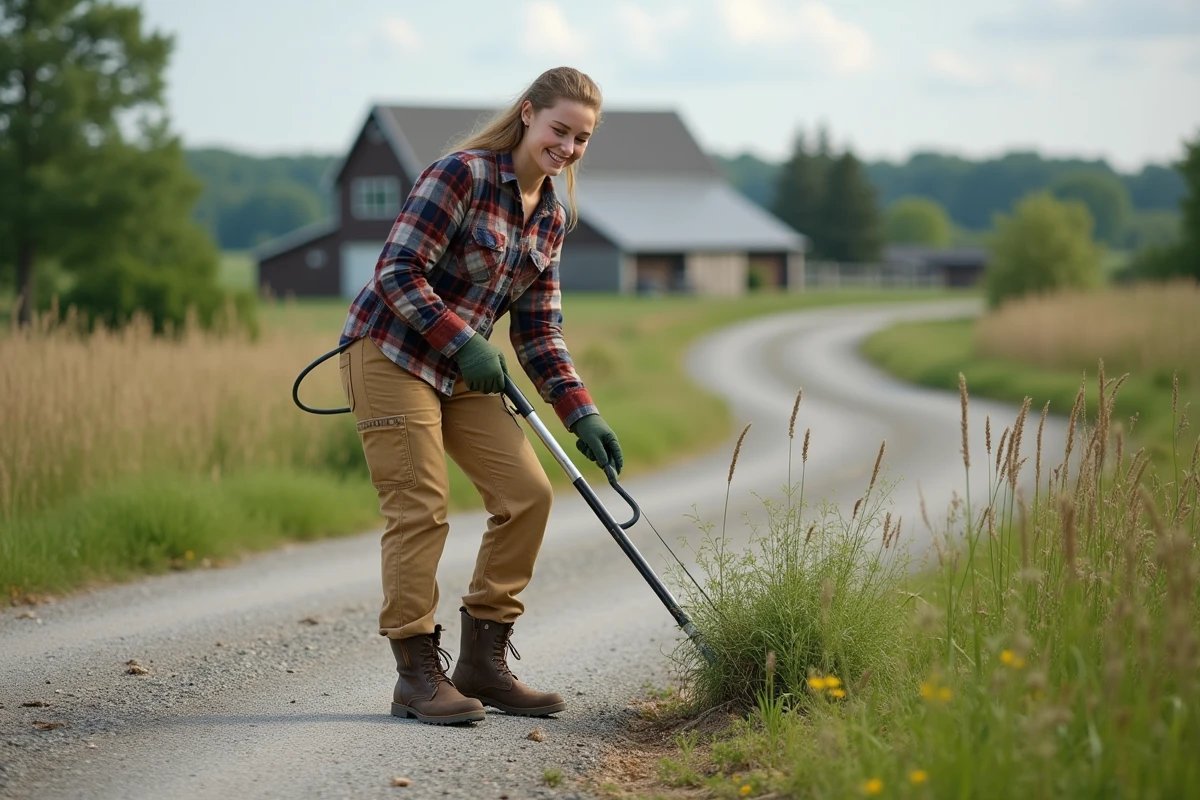
- Triclopyr is aimed at those who wish to target brambles, shrubs, and broadleaf plants while preserving a layer of grasses. Ideal for a lawn overrun by woody plants, or for differentiated maintenance.
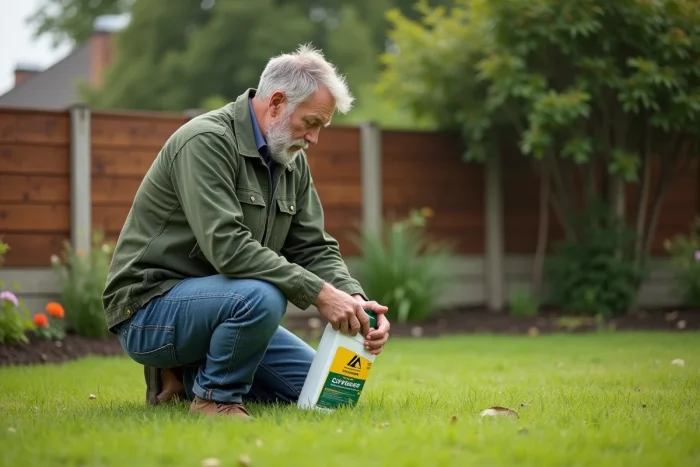
In France, regulations strictly govern access to herbicides. Since the Labbé law, the use of synthetic pesticides is prohibited for individuals in the maintenance of private gardens. Professional products remain reserved for specific uses. Before any application, it is essential to carefully read the instructions on the label and strictly adhere to the indicated doses. Using a precisely calibrated sprayer and avoiding contact with plants to be preserved or water bodies will limit the risk of drift.
Other approaches exist to limit the use of chemical herbicides. Manual weeding, mulching, tarping, or thermal weeding are methods to be combined depending on the situation. Biocontrol solutions find their place in a reasoned management approach, allowing for reduced use of synthetic molecules and better preservation of surrounding biodiversity. Adapting each intervention to the context of the land, the typology of the plants, and the regulatory framework is to choose controlled effectiveness and increased respect for the environment.
In facing this choice, the decision is never taken lightly. Each of these herbicides charts a different trajectory for the landscape, balancing effectiveness and preservation, proven techniques and emerging alternatives. In the heart of each plot, the action matters, and the decision shapes the soils of tomorrow.