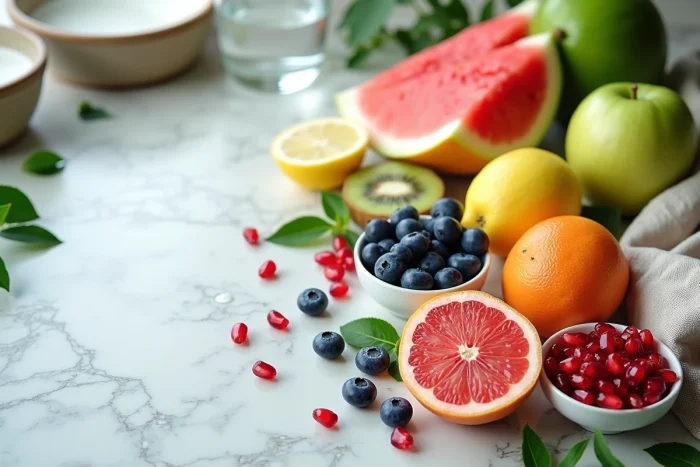
Fruits do not detoxify the body by themselves. The liver, kidneys, and digestive tract are solely responsible for eliminating metabolic waste. The role of a so-called “detox” fruit is limited to providing micronutrients, fibers, and water that support these natural elimination functions. We have selected seven fruits based on three criteria: soluble fiber density, richness in documented antioxidant compounds, and water content useful for renal drainage.
1. Grapefruit: hepatic drainage and naringenin

Grapefruit stands out for its concentration of naringenin, a flavonoid that participates in hepatic lipid metabolism. Its flesh also provides a notable amount of vitamin C and pectic fibers, two elements that facilitate transit and the uptake of bile acids.
We recommend consuming the whole fruit rather than juice. Grinding destroys part of the membrane fibers and accelerates sugar absorption, which reduces functional interest. Note: grapefruit interacts with several medications (statins, immunosuppressants). Anyone on medication should check compatibility before making it a staple of their diet.
To better identify detox fruits to prioritize in a coherent dietary routine, one must go beyond a simple list and understand the mechanisms at play.
2. Blueberry: antioxidant load and microvascular protection
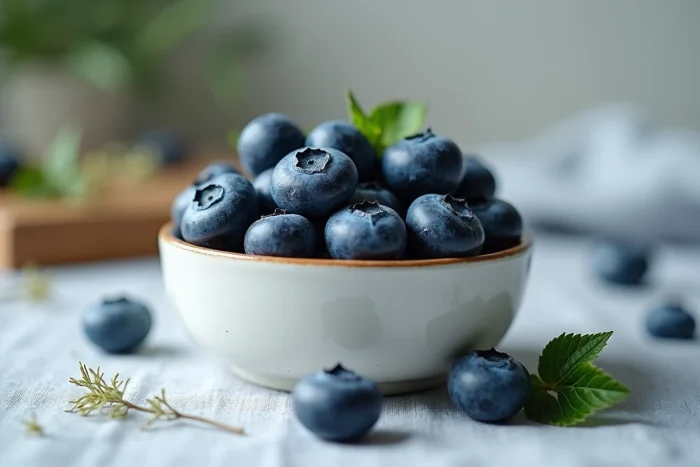
Blueberries concentrate a high density of anthocyanins, pigments whose antioxidant activity is among the most documented in nutrition. These compounds help reduce cellular oxidative stress, an aggravating factor in the accumulation of metabolic waste.
Anthocyanins also protect renal microcirculation, which indirectly promotes glomerular filtration. Coupled with its richness in insoluble fibers, blueberries act on two fronts: renal support and transit regulation. The whole fruit, fresh or frozen, retains these properties better than a powdered extract.
3. Watermelon: tissue hydration and potassium load
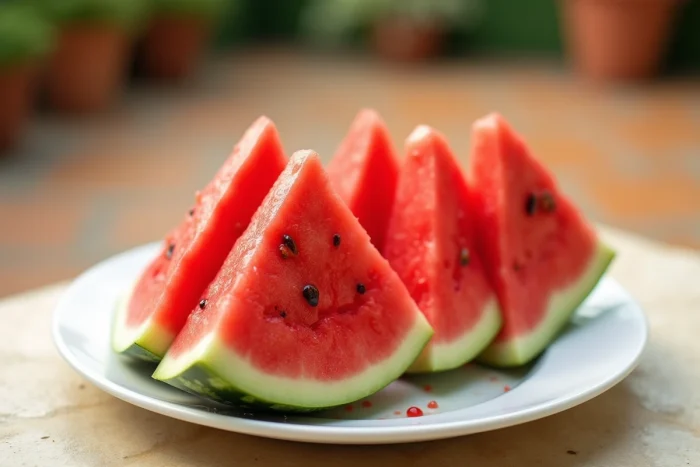
With one of the highest water contents of all fruits, watermelon directly promotes urinary volume and the drainage of nitrogenous waste. Its potassium content supports electrolyte balance without overloading the kidneys with sodium.
Watermelon also contains lycopene, a fat-soluble carotenoid. This compound does not act on “detox” in the popular sense, but it contributes to protecting liver cells against oxidative stress. Prefer whole watermelon, not flavored waters that provide neither fibers nor significant micronutrients.
4. Green apple: pectin and heavy metal uptake

The green apple earns its place due to its richness in pectin, a soluble fiber that forms a gel in the intestine. This gel slows the absorption of dietary fats and promotes the uptake of certain heavy metals present in the digestive tract.
Consumed with the skin (preferably organic to limit pesticide residues), the green apple also provides polyphenols, notably quercetin. This flavonoid has shown a hepatoprotective effect in several preclinical models. The raw and whole fruit remains the most effective form, far ahead of filtered applesauce or pasteurized juices that lose the majority of fibers.
5. Lemon: bile stimulation and citric acid

Lemon is probably the fruit most associated with the notion of detox in the collective imagination. Its real interest lies in citric acid, which stimulates bile production and facilitates lipid digestion at the hepatic level.
Its vitamin C content contributes to the recycling of glutathione, a key endogenous antioxidant in liver detoxification processes. However, lemon in warm water in the morning has no proven “cleansing” effect. Morning hydration is beneficial, but it is the water that acts, not the lemon itself. It is better to integrate it regularly into the diet (dressings, vinaigrettes) than to attribute isolated purifying power to it.
6. Kiwi: enzymatic density and accelerated transit
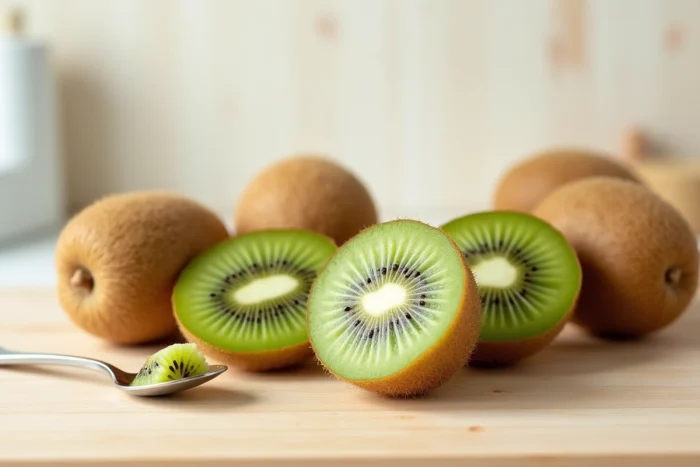
Kiwi provides actinidin, a proteolytic enzyme that facilitates the breakdown of proteins in the stomach and small intestine. This enzymatic action reduces food stagnation, a factor that slows the elimination of metabolic residues.
With a vitamin C content higher than most citrus fruits, kiwi also strengthens antioxidant defenses. Its fibers, both soluble and insoluble, make it a particularly effective transit regulator. Two kiwis a day are sufficient to observe a measurable effect on intestinal regularity.
- Actinidin improves the digestibility of animal proteins, reducing the postprandial hepatic workload
- Kiwi fibers promote the diversity of the intestinal microbiota, a parameter linked to the capacity to eliminate endogenous toxins
- Its richness in vitamin C supports collagen synthesis and the recycling of hepatic antioxidants
7. Pomegranate: ellagic acid and renal support

Pomegranate closes this ranking thanks to its concentration of ellagic acid and punicalagins, two polyphenols with strong antioxidant activity. These compounds act on reducing renal and hepatic oxidative stress.
Ellagic acid transforms into urolithins in the colon, metabolites whose anti-inflammatory activity is now documented. Thus, pomegranate offers a benefit that goes beyond the fruit itself, as it depends on the composition of each individual’s microbiota.
Consume the arils whole rather than industrial juice. The white membrane surrounding the seeds contains a significant portion of the polyphenols, often removed during commercial pressing.
None of these seven fruits replace a balanced diet or compensate for regular excesses of alcohol or ultra-processed foods. Reducing sources of hepatic overload remains more effective than adding a “miracle” fruit to an unbalanced diet. The most solid approach is to integrate several of these whole fruits into a varied diet, rich in vegetables, water, and low in processed products.